

In the current digital landscape, the management of e-waste continues to be a pressing global concern. And while the last decade has produced more electronics than previous decades, the concern for the environmental impacts has been a concern long before now.
In an effort to control those negative impacts, a number of e-waste laws and environmentally friendly regulations have been passed — the Basel Convention is one of them. The Basel Convention stands as a pivotal agreement aimed at addressing the challenges posed by the disposal and recycling of electronic products.
In this blog, we’ll dive deeper into the history of the Basel Convention, along with the types of waste it regulates and other aspects of the act that impact the recycling and disposal of e-waste.
The History of the Basel Convention
As mentioned, the environmental impacts of electronics recycling and disposal have long been a concern. Environmental laws began to tighten in the 1970s with the Resource Conservation and Recovery Act (RCRA), as disposal costs for hazardous waste greatly increased. Unfortunately, this led to trade in hazardous waste growing rapidly, especially in poorer countries.
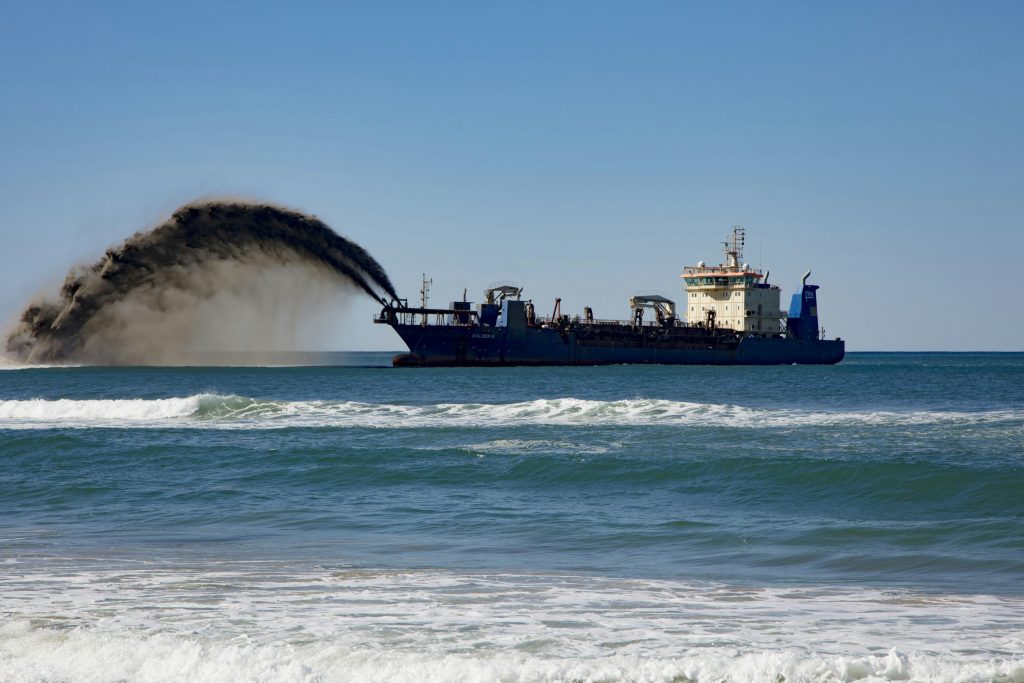
The creation of the Basel Convention was, in part, borne from the Khian Sea waste disposal incident that took place between 1986 and 1988. A Philadelphia ship was carrying incinerator ash, and dumped half of its load on a Haiti beach. The ship is believed to have dumped the rest in the sea after being unable to unload the cargo at any port.
Following this and similar incidents, the Basel Convention, formally known as the Basel Convention on the Control of Transboundary Movements of Hazardous Wastes and Their Disposal, was adopted in 1989 and entered into force in 1992. Its primary objective is to regulate the transboundary movements of hazardous waste, including e-waste, and to minimize the risks posed to human health and the environment. The convention has since played a vital role in shaping international efforts towards sustainable waste management practices.
Because the United States is not a party to the Basel Convention, the Environmental Protection Agency (EPA) participates in the Basel Convention Open-Ended Working Group (OEWG) in an effort to address any implications for U.S. interests.
The Basel Convention’s Categories of Hazardous Waste
One of the key provisions of the Basel Convention is the categorization of hazardous waste, including electronic waste. There are three main categories:
| Basel Convention Category | Designated Waste |
| List A | Wastes that are considered hazardous and are subject to strict controls and regulations. Examples include medical waste, copper compounds, mercury, lead, and more. |
| List B | Wastes that require special consideration and may be subject to certain controls. This includes household waste. |
| List C | Wastes that are not necessarily hazardous but still require monitoring and management. These include flammable liquids, explosives, oxidizing substances, infectious substances, and more. |
By categorizing hazardous waste this way, the convention aims to facilitate the proper handling, transportation, and disposal of products to prevent harm to human health and the environment.
Prior Informed Consent and the Ban Amendment
In addition to explicit categorization, the Basel Convention also promotes the principle of “prior informed consent.” This requires exporters of hazardous wastes to obtain the consent of importing countries before shipping such waste. This provision helps ensure that importing countries have the capacity and infrastructure to handle and manage the imported waste safely.
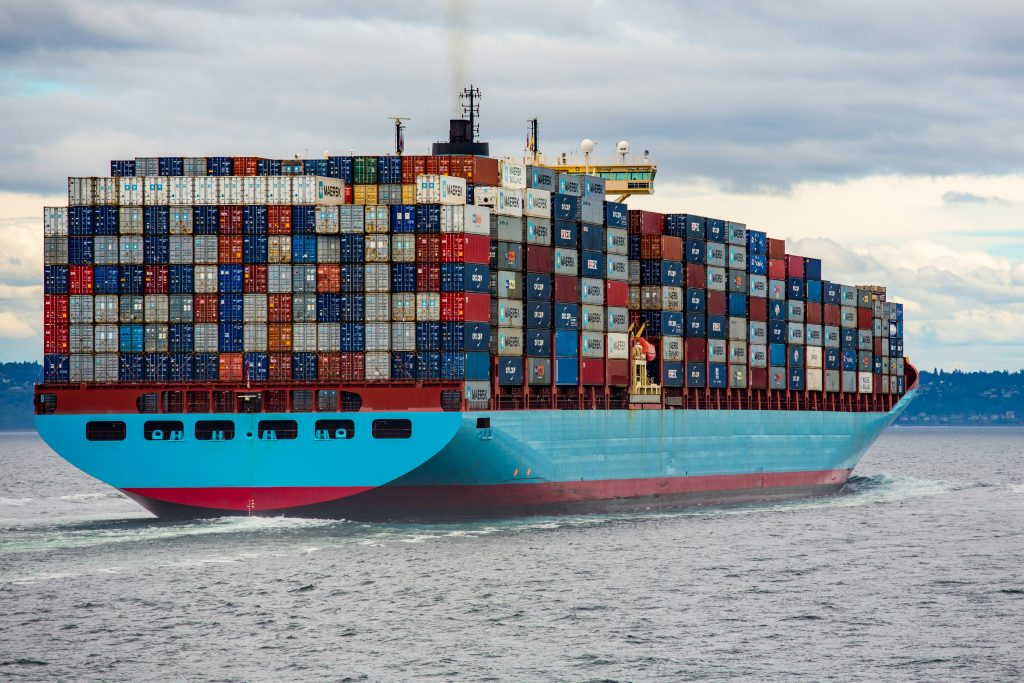
Over the years, the Basel Convention has undergone several amendments and revisions to adapt to evolving environmental challenges and technological advancements. One significant amendment adopted in 1995 is the Ban Amendment. This prohibits the export of hazardous waste from developed to less developed countries for disposal. This amendment reflects the convention’s commitment to environmental justice and equitable distribution of responsibilities in waste management.
The Challenges Around the Basel Convention
Despite its significance, the effectiveness of the Basel Convention has faced challenges, particularly concerning enforcement and compliance. Illegal trafficking of e-waste is often disguised as legitimate trade. However, it continues to pose a serious threat to the environment and public health in many parts of the world. Additional efforts like the Extended Producer Responsibility (EPR) Legislation continue to try and strengthen enforcement and adoption.
Addressing related challenges requires united efforts across governments, industries, and society to strengthen regulatory frameworks, enhance enforcement mechanisms, and promote sustainable practices throughout the electronics supply chain.
As consumers within our society, we play a crucial role in promoting responsible electronics recycling. Instead of discarding old or unused electronic devices irresponsibly, we can choose to recycle them through certified e-waste recycling services. These services ensure that electronic products are dismantled, processed, and recycled using environmentally sound methods. In addition, they minimize the environmental impact of e-waste disposal.

Dispose of Your E-Waste Responsibly with ShredTronics Today
If you’re looking to join others who prioritize more sustainable practices, ShredTronics can help you with safe, responsible device disposal. For organizations and individuals alike, our nationwide network of certified recycling professionals can support those in Phoenix, Rochester, and anywhere in between.
From consumer electronics recycling, data center decommissioning and disposal, and certified data destruction to IT asset disposition (ITAD), corporate e-waste and IT asset recycling, and IT asset value recovery and remarketing, our providers can give you peace of mind that your devices are recycled responsibly and in accordance with all laws and regulations.
We’ll connect you with providers in your area who can provide pick-up and drop-off services for your convenience. Just give us a call at (844) 648-4908 or fill out the form to be matched with them today.