

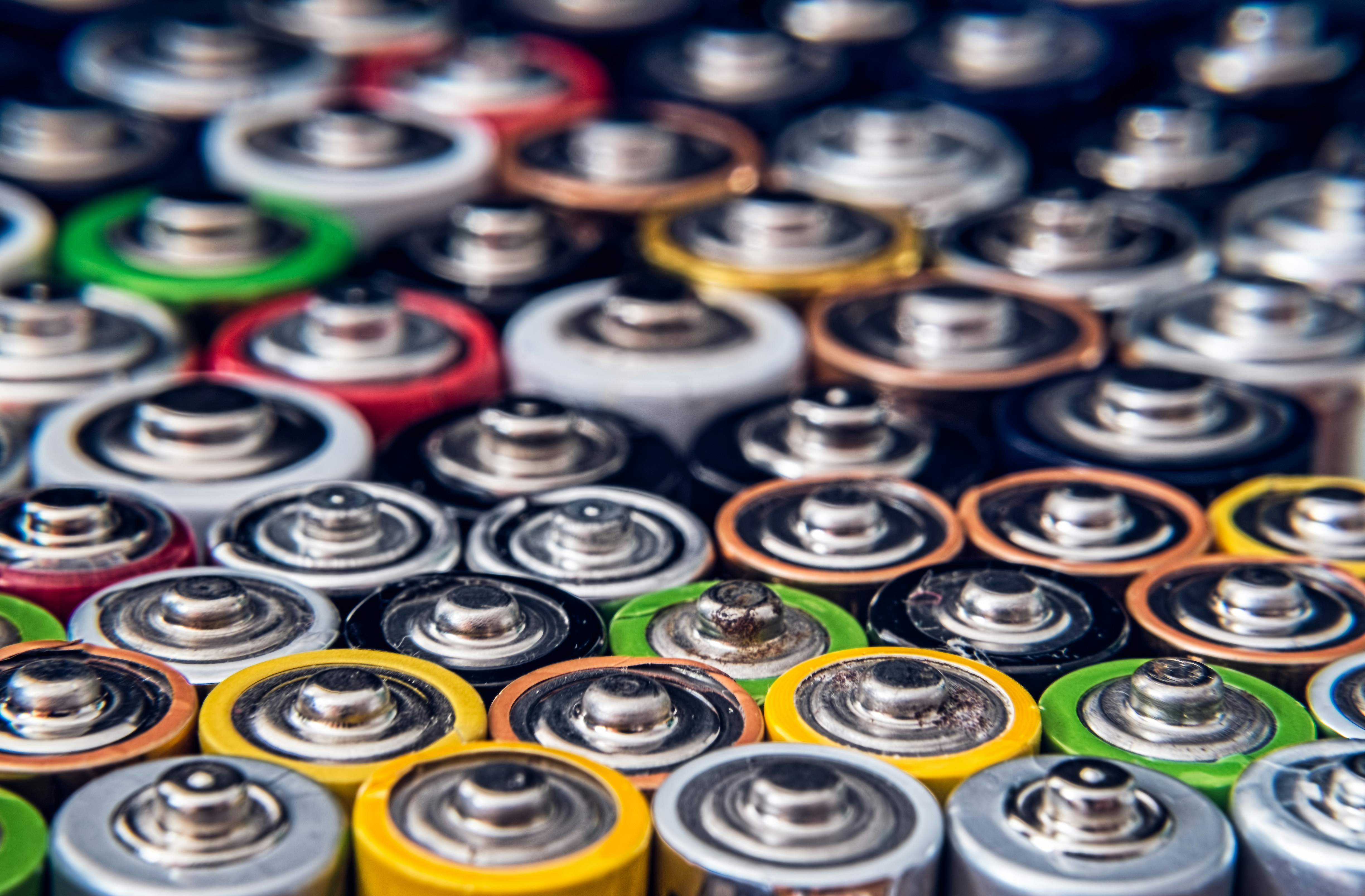
Batteries are the backbone of our modern world, powering everything from cell phones and laptops to cars and beyond. This technology, which dates back as far as the founding of the United States, fuels our ongoing technological advancements. However, batteries have a finite lifespan, and to protect our environment and conserve resources, it’s crucial that battery recycling becomes as widespread as the devices they power.
Batteries, much like the gadgets they energize, are composed of a variety of materials — lithium, cobalt, mercury, and more, spanning much of the periodic table. Unfortunately, many of these resources are limited, and some can be harmful to the environment if not properly disposed of.
The good news is that battery recycling offers an effective solution to these challenges. By recycling batteries, we not only safeguard our environment from toxic waste but also reduce the need to extract new materials, promoting sustainability and resource conservation.
The Types of Batteries that Need Recycling
From phone batteries that you need a surgeon’s touch to remove, to the simple AAs you chuck into a remote, batteries come in a wide range.
Common Household Batteries
Household batteries, including 9-Volt and D batteries, fall under the Alkaline and Zinc-Carbon category. While these batteries can often be safely disposed of in the trash in most parts of the U.S., it’s still highly recommended to recycle them. Depending on your municipality, recycling options may include battery drop-off locations or curbside pickup.
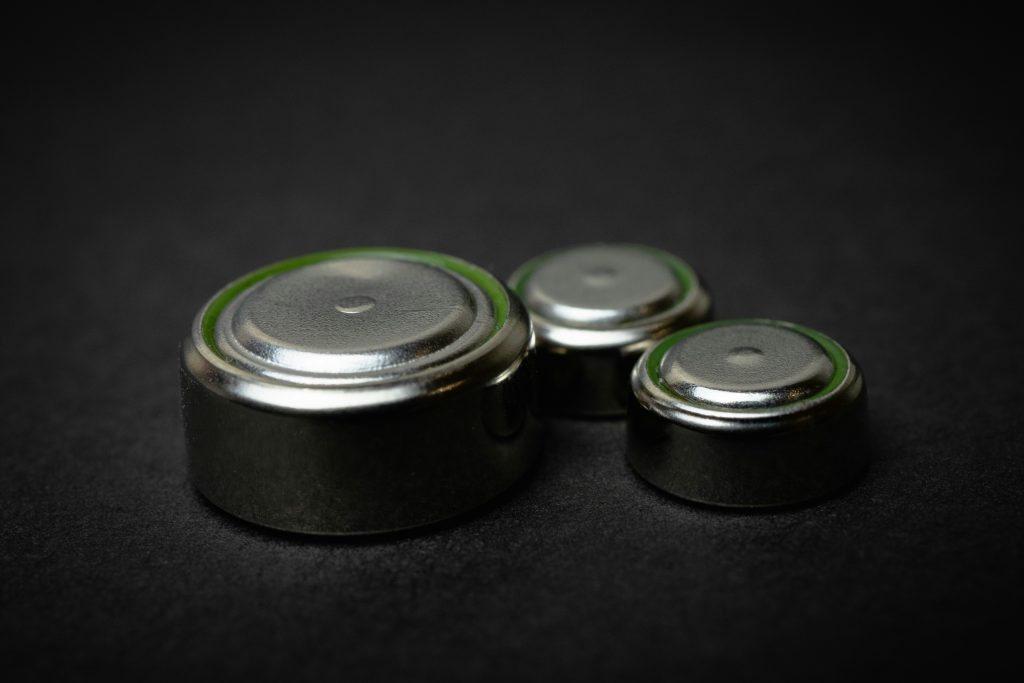
The second type, button-cell or coin batteries, are the small round batteries commonly found in watches, hearing aids, calculators, and more. Most modern versions are made of lithium, but older ones may contain silver, cadmium, mercury, or other heavy metals. These batteries should always be recycled, either through a battery takeback service or your local recycling program.
Lastly, lithium single-use batteries, which may resemble 9-Volt batteries but also come in specialized shapes for cameras, calculators, and other devices, require special handling. According to the EPA, these batteries should not be thrown in the trash or placed in municipal recycling bins. Instead, they must go through the appropriate battery recycling process at designated locations.
Rechargeable and Technology Batteries
The most common and prevalent rechargeable batteries are Nickel-Cadmium (Ni-Cd) batteries and Lithium-Ion (Li-ion). Ni-CD batteries typically power cameras, power tools, radios, and video cameras. Li-ion batteries make up the bulk of technology products, from cell phones to laptops to tablets. If the battery is detachable, you should take it to a battery take back service or your local hazardous waste collection program. For devices where the battery can’t be removed, most manufacturers operate a takeback services for their electronics.
Less common, but still in use, are Nickel Metal Hydride (Ni-MH), Nickel-Zinc (Ni-Zn), Small Sealed Lead Acid (Pb) batteries. These batteries, particularly Lead Acid ones, need to be recycled to protect the environment.
Automotive Batteries
There are few things worse than trying to turn on your car and discovering that your battery is dead. These batteries, whether Lead-Acid or Medium/Large Scale Li-ion, tend to be the most complex of the bunch, and the most difficult to recycle.
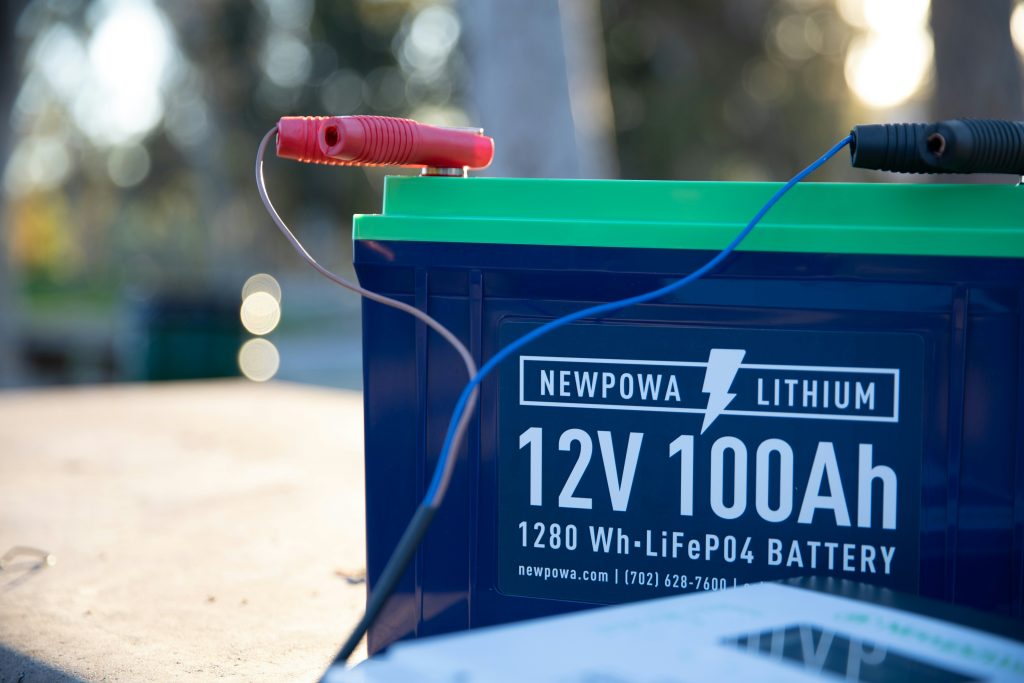
For these types of batteries, it’s typically best to let a professional take care of it, as they can be highly toxic if handled improperly. Most repair shops will take your old battery for recycling once it dies, but if you must deal with it yourself, be sure to follow all the manufacturer’s guidelines for its handling and disposal.
The Benefits of Battery Recycling
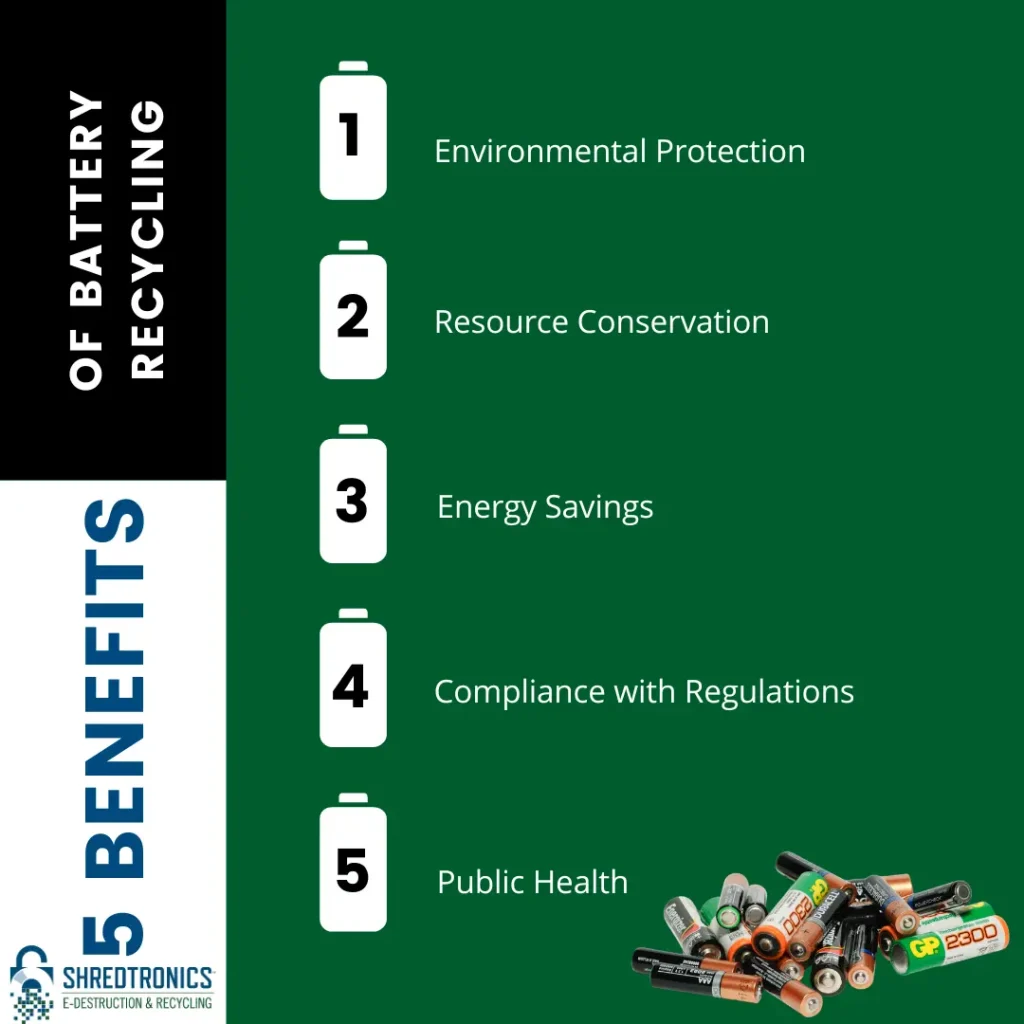
The benefits of recycling your batteries far outweighs the short-lived annoyance at having to go the extra mile to do so. Check out a few of the primary benefits of batter recycling.
Environmental Protection
Batteries contain hazardous materials like heavy metals, which can leach into soil and water if disposed of improperly. Recycling prevents these toxic substances from contaminating the environment.
Resource Conservation
Many batteries contain valuable metals like lithium, cobalt, and nickel. Recycling allows these materials to be recovered and reused, reducing the need for mining and conserving natural resources.

Energy Savings
The battery recycling process requires less energy compared to producing new batteries from raw materials. This reduction in energy consumption helps decrease greenhouse gas emissions and lowers the overall environmental impact.
Public Health
By preventing hazardous materials from entering landfills and incinerators, battery recycling helps reduce the risk of exposure to toxic substances, protecting public health and ensuring safer communities.
Compliance with Regulations
Proper battery disposal and recycling help businesses and individuals comply with local, state, and federal regulations, avoiding potential fines and contributing to a safer environment. Some of the most common regulations include:
| Law or Regulation | How It Applies |
| Resource Conservation and Recovery Act (RCRA) | This was enacted in 1976. The RCRA regulates the disposal of hazardous waste, including certain types of electronic waste (e-waste). While RCRA primarily focuses on hazardous waste management, it has implications for the disposal of electronic equipment containing hazardous materials. |
| Electronic Waste Recycling Act (California) (SB 20/50/828) | California’s Electronic Waste Recycling Act, passed in 2003 and updated in subsequent years, establishes a system for collecting and recycling certain electronic devices. It requires manufacturers to establish and fund recycling programs for covered electronic devices sold in the state. |
| National Defense Authorization Act (NDAA) | Section 332 of the NDAA for Fiscal Year 2021 includes provisions aimed at improving the management and disposal of e-waste generated by the Department of Defense (DoD). It mandates the establishment of policies and procedures for the disposal and recycling of DoD electronic waste. |
| Electronic Product Environmental Assessment Tool (EPEAT) | While not a law, EPEAT is a voluntary program. This helps purchasers evaluate and compare the environmental performance of electronic products. EPEAT-registered products meet specific criteria for energy efficiency, recyclability, and other environmental attributes. |
| Environmental Protection Agency (EPA) Guidelines for Electronics Recycling | The EPA provides guidance for the responsible recycling and disposal of e-waste. These guidelines aim to promote environmentally sound practices and prevent the improper disposal of hazardous materials found in electronic devices. |
| International Traffic in Arms Regulations (ITAR) | ITAR regulates the export and import of defense-related articles and services. This includes certain electronic devices and components. Compliance with ITAR requirements is essential when disposing of electronic equipment that may contain sensitive or restricted technologies. |
| Occupational Safety and Health Administration (OSHA) Standards | OSHA sets standards to protect workers from hazards associated with electronic waste recycling and disposal activities. These standards address a multitude of issues. This includes exposure to hazardous chemicals, safe handling practices, and training requirements for workers in the e-waste recycling industry. |
| Basel Convention on the Control of Transboundary Movements of Hazardous Wastes and Their Disposal | While the United States is not a party to the Basel Convention, it has implications for the international movement and disposal of electronic waste. The convention aims to minimize the generation and transboundary movement of hazardous wastes, including certain types of e-waste. |
It’s important to research all local, state, and federal regulations that may apply to your organization. Make sure to do your due diligence before moving forward with any battery or electronics disposal methods.
Battery Recycling and More With ShredTronics
ShredTronics partners with recyclers across the country to help keep technology sustainable. Our partners ensure that whatever technology you need to get rid of is done so in a sustainable and secure fashion. Give us a call at (844) 648-4908, or fill out the form on the page, and we’ll connect you to a recycling provider that can take care of your old electronics.